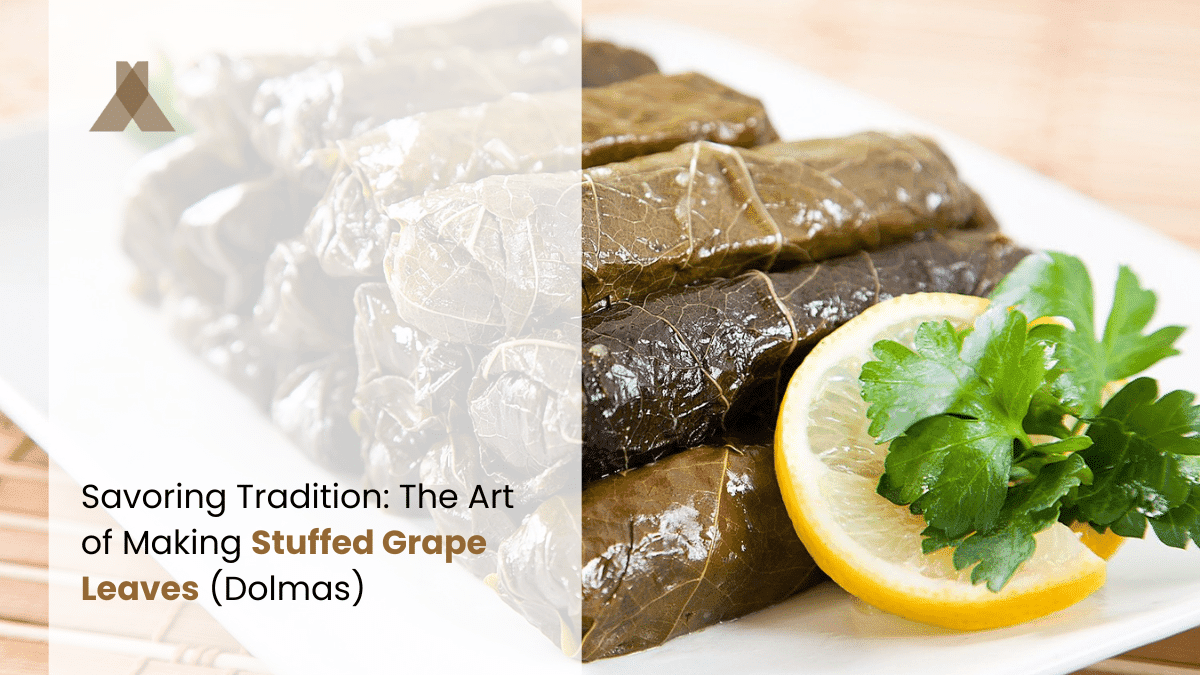
Wrapped grape leaves filled with rice, herbs, and occasionally meat represent a real treat from the Mediterranean and Middle Eastern culinary worlds. Dolmas showcase regional diversity, appearing cold with lemon in Mediterranean contexts and warm with tomato sauce in Middle Eastern preparations.
The Origins and Cultural Significance of Dolmas
Historical accounts suggest dolmas may trace back to Alexander the Great's era. Turkish versions typically include meat and serve warm, while Greek dolmades remain vegetarian and cold. Levantine variations incorporate pomegranate molasses or sumac for distinctive tartness.
Making dolmas functions as a communal activity, preserving cultural identity across generations through shared preparation and storytelling.
Regional variations
Each region developed distinctive approaches reflecting local ingredients and traditions.
Cultural Dish
Dolmas remain central to gatherings and celebrations, serving as vessels for cultural memory.
Key Ingredients and Preparations
Essential Ingredients
- Grape leaves (preserved in brine)
- Rice (flavor-absorbing base)
- Fresh herbs (dill, parsley, mint)
- Onions and garlic (sauteed for depth)
- Nuts and currants (texture and sweetness)
- Spices (cinnamon, allspice, black pepper)
Preparation Guide
- Rinse leaves; trim tough stems
- Saute onions and garlic; combine with rice, herbs, spices, nuts, currants
- Place filling near stem; fold sides and roll tightly
- Arrange in pot; pour water, olive oil, lemon juice; simmer until rice cooks
Cooking Techniques: From Filling to Serving
Traditional preparation emphasizes precise wrapping to maintain structural integrity during cooking.
Serving approaches:
- With yogurt or tzatziki for cooling contrast
- As mezze platter components alongside hummus, tabbouleh, olives
- Garnished with fresh herbs or olive oil drizzles
Variations and Modern Twists
Contemporary interpretations substitute quinoa or couscous for rice, incorporate curry or chipotle, and blend global culinary influences while maintaining cultural authenticity.
Vegetarian and meat variants
Vegetarian versions feature a rich blend of chopped nuts, dried fruits, and aromatic herbs, while meat variants typically use ground lamb or beef with regional seasonings for heartier preparations.
Health Benefits of Dolmas
Health benefits of dolmas
Grape leaf wrapping provides vitamins A, C, E, iron, and antioxidants supporting immune function and skin health. Rice filling contributes fiber, enhanced with whole grains.
Nutritional information
Pine nuts or walnuts add healthy fats and proteins; meat increases protein content; herbs like dill and mint supply vitamin K and iron.
Dietary considerations
Dolmas accommodate vegetarian, vegan, low-carb, and ketogenic diets through ingredient substitutions like cauliflower rice. Naturally gluten-free formulations suit those with sensitivities.
Conclusion
Dolmas transcend simple cuisine, representing a celebration of culinary tradition that has stood the test of time. Whether served warm or cold, these rolls unite people through shared history and flavor, encouraging home preparation as a meaningful cultural connection.