The Mediterranean culinary experience has long been celebrated for its rich history, coveted traditional Mediterranean recipes with exotic flavors, and healthful qualities.
The Historical Tradition of Mediterranean Cuisine
The region draws influence from Greek, Italian, Spanish, and Middle Eastern cultures. A cornerstone of this cuisine is olive oil, which provides distinctive flavor and health benefits. The foundation includes fresh vegetables, Mediterranean spices, and lean proteins.
Mediterranean Culinary Tips and Tricks
Key recommendations include prioritizing quality ingredients, experimenting with herbs like oregano and thyme, and embracing simplicity to let natural flavors shine.
The Keys behind Middle Eastern Cuisine
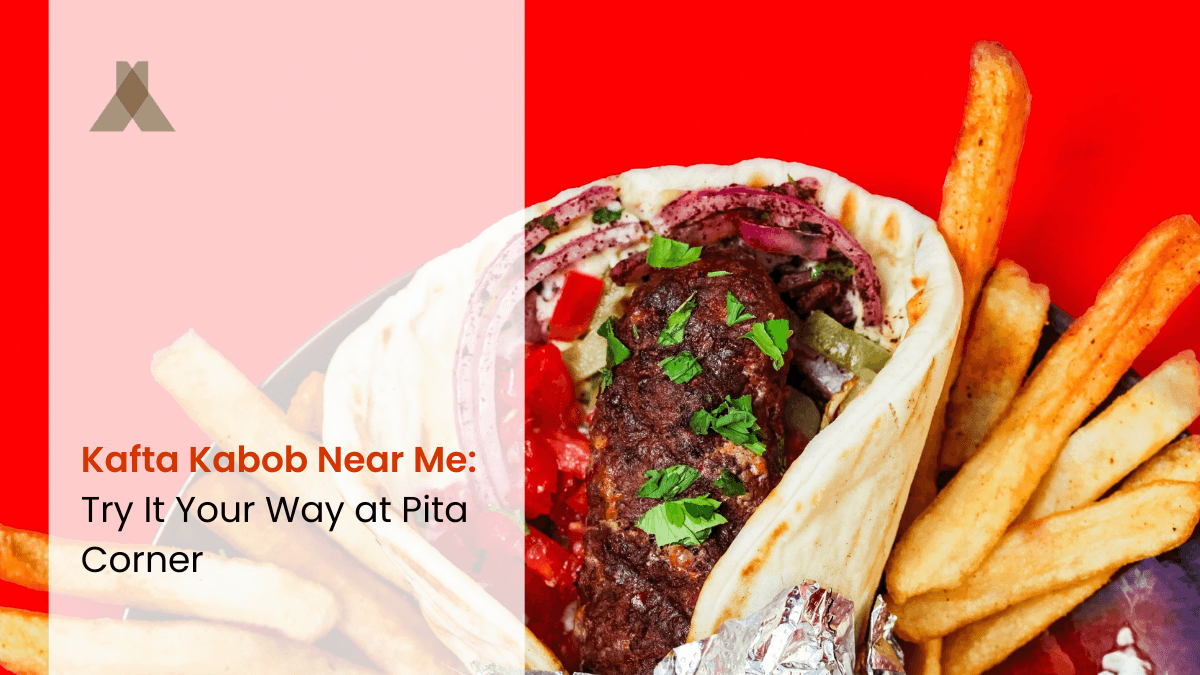
Middle Eastern traditions emphasize bold spices including cumin, coriander, and sumac. Kebabs feature prominently, alongside hummus and warm pita bread as staple components.
Delicious and Traditional Mediterranean Recipes
Steak Shawarma. Thinly sliced beef marinated with olive oil, garlic, cumin, coriander, paprika, yogurt, and lemon juice, then grilled and served with yogurt sauce.
Pita Sandwich. Marinated steak kebab assembled in pita bread with fresh tomatoes, cucumbers, red onions, feta cheese, and kalamata olives.
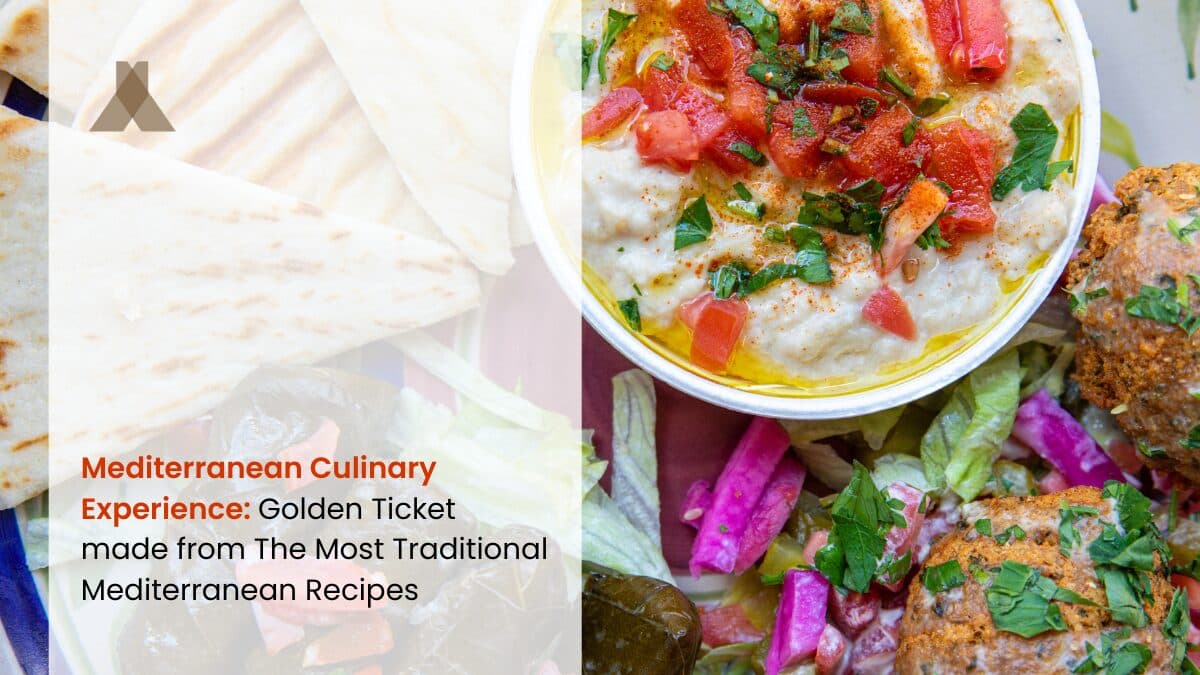
Hummus. Blended chickpeas, tahini, garlic, and lemon juice drizzled with olive oil.
Baba Ganoush. Roasted eggplant mixed with garlic, tahini, and lemon juice, served as a dip.
The Future of Mediterranean Culinary Trends
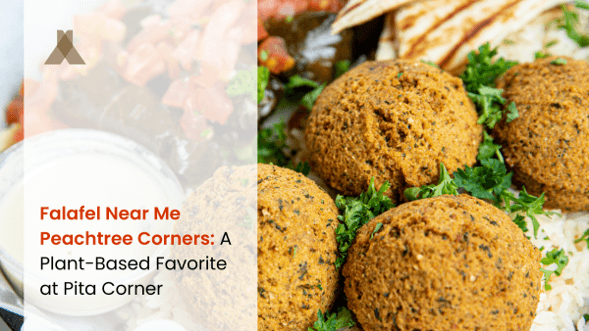
The health-conscious focus on the Mediterranean diet continues evolving, with innovations incorporating ancient grains and plant-based proteins.
Conclusion: Embark on Your Gateway to Mediterranean Culinary Excellence
The Mediterranean experience opens not only the appetite but also the frontiers to other cultures and different ways of understanding life and food itself.