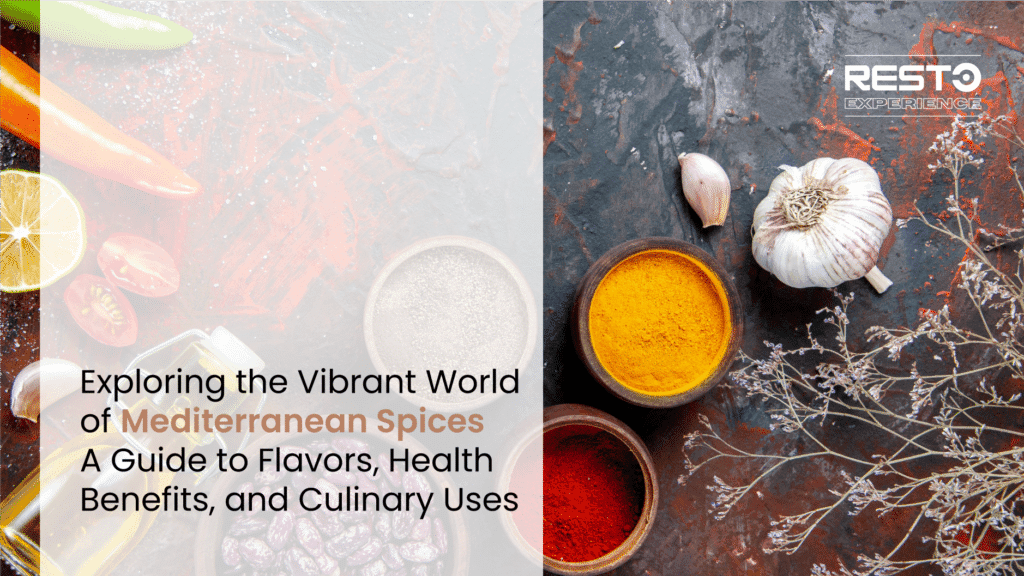
The Mediterranean diet is renowned as one of the healthiest and most pleasurable eating approaches. A cornerstone of this culinary tradition involves a variety of Mediterranean spices, which not only enhance the taste of dishes but also offer great health benefits.
The Rich Cultural Heritage of Mediterranean Spices
Mediterranean spices represent integral components of regional culinary customs and cultural heritage. For centuries, the Mediterranean has been a melting pot of diverse civilizations, and the exchange of flavors through the spice trade has left a deep mark on the region's cuisine.
The Top 5 Must-Have Mediterranean Spices for Your Kitchen
1. Oregano: The Versatile Herb with a Distinct Flavor Profile
Oregano features a strong, earthy flavor and appears frequently in Italian, Greek, and Spanish cooking.
Uses in Cooking:
- Seasoning for tomato-based dishes, pizzas, and pasta sauces
- Herb-infused oils and vinegars
- Marinades for meats and fish
Health Benefits:
- Antioxidant properties combating free radical damage
- Anti-inflammatory effects reducing bodily inflammation
- Antimicrobial properties (studies showed effectiveness against 23 bacterial species)
- Potential anti-cancer compounds
Culinary Pairings:
- Tomatoes and mozzarella
- Vegetable dishes and salads
- Grilled meats
- Soups and stews
- Pasta sauces
2. Basil: A Fragrant Herb that Adds a Fresh Twist to Dishes
Basil offers a sweet, peppery taste and remains popular in Italian cuisine.
Uses in Mediterranean Cuisine:
- Pesto sauce creation
- Tomato-based dishes like Caprese salad
- Herb-infused oils and vinegars
Health Benefits:
- Vitamin K content
- Antibacterial properties
- Blood sugar management potential
- Mental health benefits including stress relief
Creative Applications:
- Basil-infused water
- Sweet dishes like strawberry bruschetta
- Cocktail enhancement
3. Paprika: The Fiery Spice that Adds Color and Depth to Dishes
Paprika derives from dried and ground red peppers and varies from mild to intensely hot varieties.
Uses in Mediterranean Cooking:
- Seasoning for roasted vegetables and grilled meats
- Key ingredient in iconic dishes like paella and goulash
Health Benefits:
- Rich antioxidant content
- Vitamin A source (1 tablespoon provides 19% daily requirements)
- Anti-inflammatory effects
- Potential anticancer properties from capsaicin
Types and Flavors:
- Sweet Paprika: Mild, slightly sweet with vibrant color
- Smoked Paprika: Smoky flavor popular in Spanish and Portuguese cuisines
- Hot Paprika: Spicy variant for enhanced heat
Enhancement Methods:
- Marinades and rubs for meats and seafood
- Soups and stews
- Roasted vegetables
- Rice and grain dishes
4. Cumin: A Warm and Earthy Spice with a Wide Range of Applications
Cumin possesses a strong, earthy flavor used extensively throughout Mediterranean cooking.
Uses in Mediterranean Cuisine:
- Staple in spice blends like Ras el Hanout
- Seasoning for grilled meats and roasted vegetables
- Legume and pulse preparation
Health Benefits:
- Digestive enzyme stimulation
- Antioxidant properties stabilizing free radicals
- Anti-inflammatory components
- Iron density (1 teaspoon provides almost 20% daily iron)
Spice Pairings:
- Cumin and coriander combinations
- Cumin with paprika for grilled preparations
- Cumin with turmeric for golden-hued dishes
Versatile Applications:
Primarily utilized in savory dishes but occasionally appears in North African and Middle Eastern sweet recipes including cakes and cookies.
5. Cinnamon: The Sweet and Spicy Spice that Elevates Mediterranean Desserts
Cinnamon offers a warm, sweet flavor particularly favored in Mediterranean desserts.
Dessert Applications:
- Greek sweet pastries like baklava
- Rice puddings such as arroz con leche
- Fruit-based desserts and compotes
Health Benefits:
- Abundant antioxidants
- Cardiovascular support through cholesterol reduction
- Insulin sensitivity improvement
- Anti-inflammatory properties
- Antimicrobial and antifungal effects
Traditional Mediterranean Sweets:
- Baklava: Phyllo dough with nuts and cinnamon sugar layers
- Koulourakia: Olive oil Greek cookies with cinnamon-sugar coating
- Pasteis de Nata: Portuguese custard tarts sprinkled with cinnamon
Savory Applications:
- Middle Eastern cuisine integration
- Moroccan tagine preparations
- Mediterranean spice blends for meats and stews
Exploring Mediterranean Spice Blends: From Za'atar to Ras el Hanout
Popular Blends:
- Za'atar: Thyme, sumac, sesame seeds with optional oregano and marjoram
- Ras el Hanout: Complex mixture of cumin, clove, cinnamon, chili, coriander, and turmeric
- Herbes de Provence: French dried herbs including thyme, rosemary, oregano, marjoram, and savory
Homemade Spice Blend Creation:
- Begin with dried herb bases like thyme, oregano, or rosemary
- Incorporate complementary spices such as cumin, coriander, and paprika
- Experiment with ratios until achieving desired flavor profiles
- Store in airtight containers away from sunlight
Recipe Applications:
- Za'atar roasted vegetables
- Ras el Hanout chicken tagine
- Herbes de Provence focaccia
Mediterranean Spices as Medicinal Agents: Ancient Wisdom and Modern Science
Historical civilizations employed spices as natural remedies preceding modern medicine. Today, modern science confirms the wisdom of those ancient practices throughout research studies, which have highlighted numerous health benefits of Mediterranean spices.
Contemporary Integration Methods:
- Basil herbal tea for stress alleviation
- Cumin and ginger infusions for digestive support
- Oregano, paprika, and cumin additions for anti-inflammatory benefits
- Cinnamon-infused honey as natural sweetener
Conclusion: Embarking on a Flavorful Journey through the Mediterranean Spice World
Throughout this exploration, Mediterranean spices demonstrate rich flavor tapestry, health benefits, and cultural significance. Since the spice markets of ancient cities, these spices have been passed down from generation to generation, and now carry a profound cultural heritage.
Modern scientific research increasingly validates historical applications while providing nutritional advantages. Readers are encouraged to experiment with various combinations to elevate everyday dishes while maintaining healthful dietary practices. Mediterranean spices demonstrate that good things truly come in small, flavorful packages!