A Guide to 8 Middle Eastern Dishes You Need to Know
Shawarma, Falafel, Tabbouleh, navigating Middle Eastern cuisine can feel overwhelming with unfamiliar terminology. This guide explores eight essential dishes from the region, explaining what they are and their origins.
Shawarma
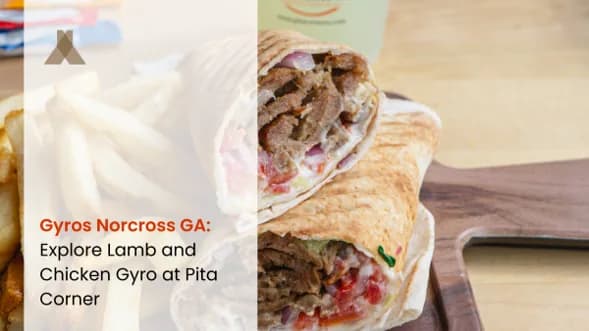
Shawarma is a beloved street food featuring marinated meat (lamb, chicken, turkey, or beef) stacked cone-shaped and slowly roasted vertically until tender. The meat is seasoned with cumin, coriander, paprika, garlic, and lemon juice. Once cooked, thin slices are served in pita with pickles, fresh vegetables, and tahini sauce.
The word derives from Turkish "cevirme," meaning "turning," referencing the rotating meat cone. Originating in the Ottoman Empire during the 18th and 19th centuries, it spread throughout the Middle East, becoming particularly popular in Lebanon, Syria, and Iraq.
Kabob
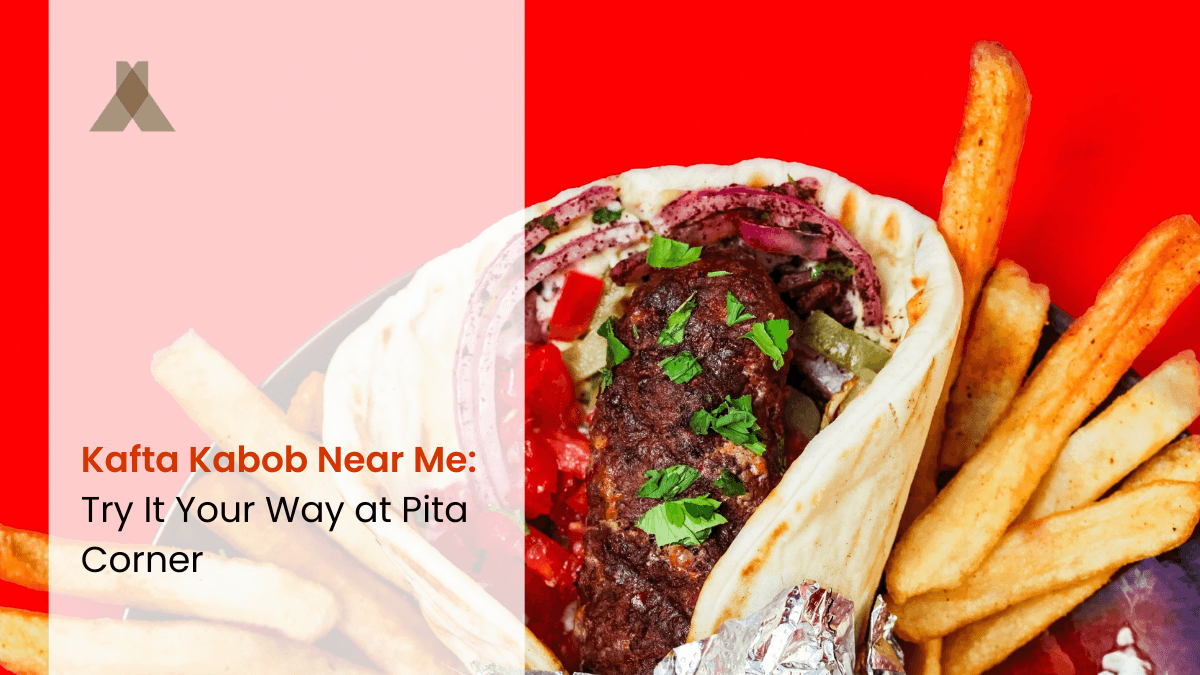
Kabob features skewered and grilled meat, often lamb or chicken, commonly found across Middle Eastern cuisine. Marinated in spiced mixtures, the meat is threaded onto skewers and grilled over open flame or charcoal, typically served with rice or flatbreads alongside bell peppers and onions.
This ancient Middle Eastern dish appears in medieval Turkish texts, though similar preparations existed in Persia earlier. Regional variations include Iran's koobideh, Turkey's sis kebab, and Afghanistan's chapli kabab.
Gyro
Gyro is a Greek dish comparable to shawarma, typically using pork or chicken seasoned with Greek spices and cooked on vertical rotisserie equipment. The thinly sliced meat is served in pita with tomatoes, onions, and tzatziki (yogurt-based sauce with cucumber and garlic).
The word means "turn" in Greek. Though distinctly Greek, it was influenced by Turkish doner kebab during Ottoman occupation, becoming popular in Greece during the early 1920s. Today it's a Mediterranean staple found in Cyprus and beyond.
Falafel
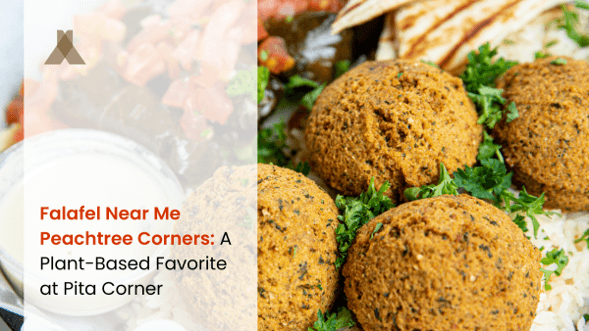
Falafel is a vegetarian dish of deep-fried balls or patties made from ground chickpeas or fava beans mixed with herbs, spices, onions, and garlic. Served in pita with salads, pickles, and tahini sauce.
This dish likely originated in Egypt among Coptic Christians as a meat substitute during Lent, originally made with fava beans (ta'amiya). The chickpea version gained popularity in the Levant, particularly in Palestine, Lebanon, and Syria. Now widely recognized as a healthy vegetarian choice, it's considered Israel's unofficial national dish.
Hummus
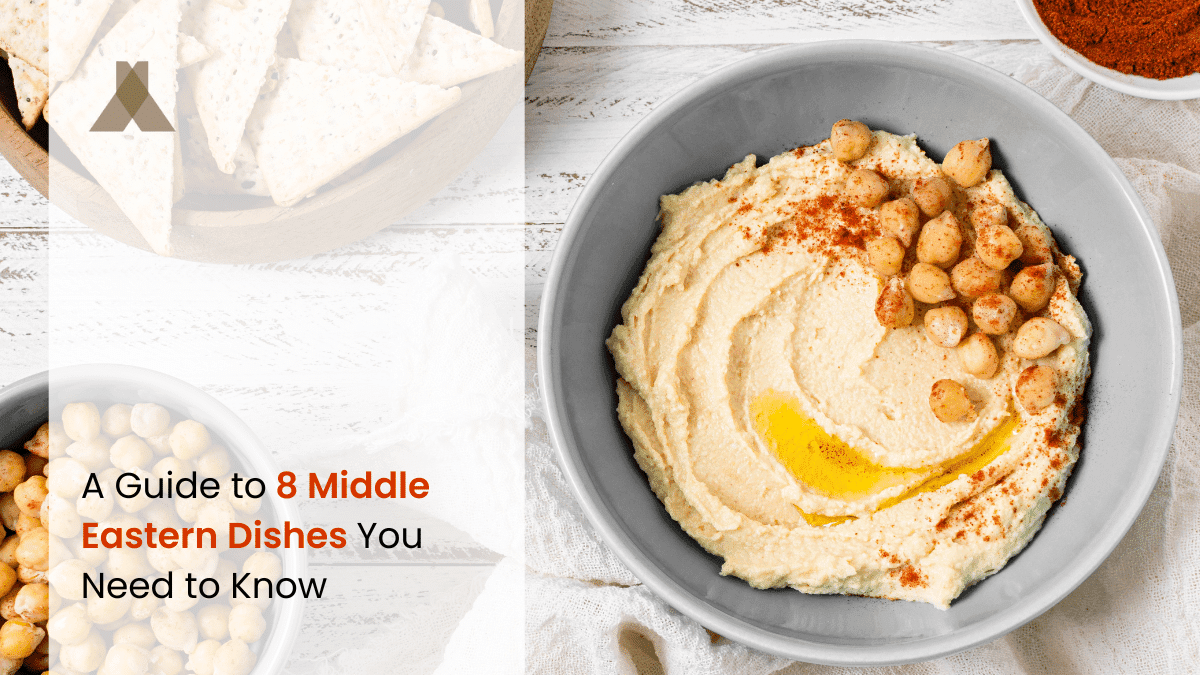
Hummus is a Middle Eastern staple, a creamy dip made from blended chickpeas, tahini, lemon juice, garlic, and olive oil. It's served as a dip with pita or vegetables, or used as a sandwich spread, often topped with olive oil, paprika, pine nuts, or whole chickpeas.
Multiple countries claim hummus's origins, but historical evidence points to ancient Egypt, with the earliest known recipe from 13th-century Cairo. Today it's essential in Lebanese cuisine, which even attempted setting a world record for the largest hummus dish.
Baba Ganoush
Baba ganoush is a smoky eggplant dip created by roasting eggplants until soft, then mashing them with tahini, garlic, lemon juice, and olive oil. The creamy, rich dip complements various breads and vegetables, often appearing alongside hummus on mezze platters.
The name comes from Arabic: "baba" means father and "ganoush" means spoiled or pampered. This Levantine dish originated in Lebanon and Syria, with regional variations in preparation and seasoning.
Fattoush Salad
Fattoush salad combines mixed greens (typically romaine lettuce), tomatoes, cucumbers, radishes, and toasted or fried pita bread pieces. The dressing features olive oil, lemon juice, and sumac, a tangy spice adding depth. This refreshing salad frequently appears in mezze spreads.
The word derives from "fatt," meaning to break or crush, referencing the bread pieces. Originating in Northern Lebanon and Syria as a method for using stale pita, it remains most popular in Levantine cuisine throughout Lebanon, Syria, Jordan, and Palestine, especially during Ramadan.
Tabbouleh
Tabbouleh (or taboli) is a traditional Levantine salad featuring finely chopped parsley, mint, tomatoes, onions, bulgur wheat (or quinoa), olive oil, lemon juice, salt, and pepper. Notable for its fresh flavors and substantial herb content relative to grains, it serves as a healthy side or light meal, often included in mezze platters.
Native to Lebanon and Syria's mountains where parsley grows abundantly, this dish was originally part of the Lebanese mountain diet. Lebanese tabbouleh distinguishes itself through its high parsley-to-bulgur ratio. Now Lebanon's national dish, it's popular throughout the Levant.
Conclusion
Middle Eastern cuisine proves exceptionally delicious, incorporating fresh vegetables, herbs, and aromatic spices like cumin, coriander, and sumac. These regional staples span various Middle Eastern countries, frequently paired with pita bread or flatbreads for scooping dips or wrapping fillings. Experience authentic Mediterranean cuisine at Pita Corner.